
High energy stores in the body throughout an event are vital to be able to sustain optimum performance on the water. Poor fuelling techniques will lead to early fatigue and under performance, as physical and cognitive functions are affected.
For Northern Ireland Sailing Team athletes, it’s vital that they make smart choices around fuelling their body, so we spoke Sport NI Nutritionist, Lorna Cooke, who imparted detailed advice about the best things to eat and drink pre, during and post competition.
On the water preparations
Preparation for what you are going to eat and drink during training or at an event begins before you arrive at your training or race destination. Relying on shop bought foods purchased enroute will not set you up for success as choices can be limited and are often unsuitable for what you need.
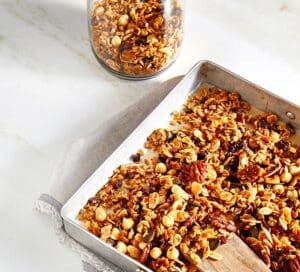
Having a plan and packing your food at home will allow you to be able to choose better options that will match your energy and nutrient needs during events. Why not make some homemade snacks to help fuel your event? If you’re stuck for ideas, the BBC Goodfood website has lots of easy recipes to try.
Getting to your destination
If you need to consume a meal on the way, then pack easy to eat options like overnight oats, yogurt with granola & berries, sandwiches, filled rolls or pasta salad.
Eating before you launch
A pre-training meal should be eaten 3-4 hours before you launch and a snack should be eaten 30 minutes before. This may mean having your meal enroute and your snack whilst rigging your boat or listening to the race briefing.
These should be high in carbohydrates to help top up energy levels in the body. Example meals include sandwiches, pasta with chicken, porridge or granola pots; snacks could include homemade energy balls, flapjacks or banana cake. It is better to eat familiar foods at this stage so that you know your body will tolerate them well and not be upset.
On the water fuelling
Go for a ‘food first’ approach instead of supplements to meet fuel demands on the water. Whole foods provide a variety of nutrients in their natural form including fibre, vitamins and minerals. These work together for optimal health whilst supplements quite often isolate nutrients for convenience.
Easily accessible and easy to eat foods are best. Protect foods by putting them in a box or wrapping individual items. Store them in a dry bag for the coach boat or in your life jacket.
Remember to eat regularly to help maintain energy levels. In light winds, you might be able to snack more regularly, however, in heavier winds you might have to eat more but less often and you might also have to rely on supplements more! You must be pre-emptive about your intake to have a strong sailing performance, waiting until you are hungry or thirsty will be too late.
Energy demands will vary depending on weather conditions and the length of time on the water. Aim for 30-60g carbs per hour, consuming the lower end during lighter days. Always pack more than you need so you never run out!
Example foods include: pasta or rice dishes, dried fruit and nuts, trail mix, wraps, energy balls, flapjacks, cereal bars, bagels, pancakes, sandwiches, filled rolls, yogurt pouches, fruit, rice cakes with peanut butter.

Recovery
Recovery is probably the most important part of your nutrition plan as it helps to refuel and repair the body and prepare for the next bout of exercise (both mentally and physically). You should start to refuel on your way back ashore with a protein and carbohydrate snack. This could be some long-life flavoured milk, a recovery shake, filled rolls or a cereal bar and yogurt pouch. You can then follow this up with a more substantial meal within 2-3 hours containing wholegrain carbohydrates, protein and vegetables.
If you are staying in hotel accommodation then try to pick lower fat options opting for baked or grilled foods instead of fried foods. For example, choose grilled chicken with baby potatoes / rice and vegetables over fried chicken and chips.
Hydration
The risk of dehydration is high, unless a planned approach is used. Dehydration can cause cognitive impairment along with reduced skill and impaired endurance. All of these are key factors in performance.
Sufficient fluid should be available on your boat or in the coach boat for on-water sessions. Small amounts of fluid should be consumed regularly throughout the day. Sailors should keep an eye on the colour and amount of urine produced from day-to-day to assess their hydration status. A pale-yellow colour should be the aim at all times.
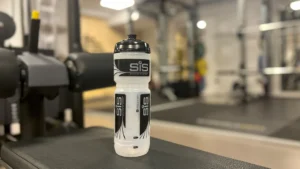
Carbohydrate containing sports drinks can be used to help meet fuel and hydration needs alongside plain water and electrolyte drinks. As a general guide you should aim for a minimum of 35ml fluid per kg body weight on rest days. Training days will require a greater fluid intake due to the impact of temperature, humidity, wind, sun exposure and physical activity on sweat losses.
Tip- Sailors can weigh themselves before and after a training session so that estimates of their fluid needs can be gauged. A 1kg loss in body weight equates to approximately 1L of fluid lost through sweat.
Supplements
Supplements can take many forms; from vitamins and minerals bought to address nutritional deficiencies to protein bars / powders, carbohydrate / sports drinks and ergogenic aids like creatine or beta-alanine to optimise performance. No guarantee can be given that any particular supplement is free from prohibited substances so you should ensure that you assess the need, assess the risk and assess the consequences of using supplements before you start one.
There are three basic considerations to bear in mind before taking supplements:
- Assess the need- seek advice from a sports nutritionist before buying a supplement
- Assess the risk- know, understand and assess the risks of contamination
- Assess the consequences- understand what a ban may look like and its impact on your career
More information about supplement use and risks can be found on the UKAD website which you can access here:
Whether it is a sports drink used during competition or a vitamin C supplement used when you are sick, you should make sure that your supplement is batch tested by checking the Informed Sport website. Check your products regularly, in particular, when starting an unopened batch, as companies can change the formula and ingredients of products which can deem the product unsuitable. Not knowing is not an excuse!