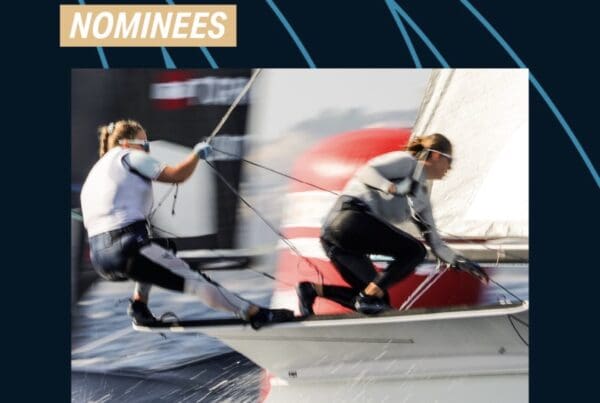
For the last few years, double-handed sailing in Northern Ireland has been a growing part of the sport.
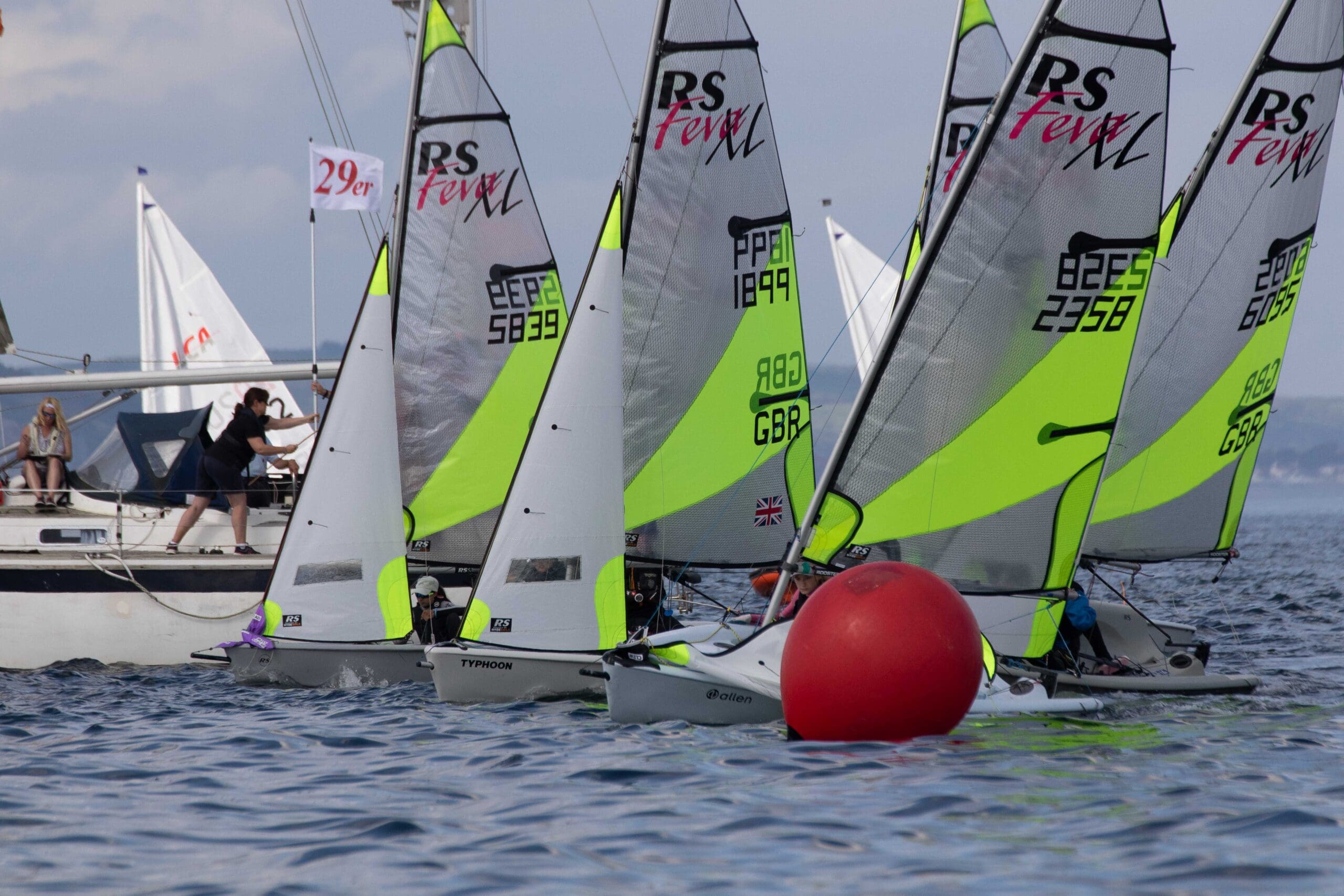
Since the establishment of an RS Feva Squad, we have seen strong performances from Northern Irish sailors a national and an international level.
On top of this, we have seen Northern Irish sailors be part of historic results at The Wilson Trophy, and this summer, the RS 400 Eurocup will be hosted at Royal North of Ireland Yacht Club.
All of these moments are encouraging signs as we work towards the goal of ‘Reimagined Pathways’ as outlined in our five-year strategy, Navigating the Future. This goal aims to develop sailors, not just towards an Olympic level, but within alternative NI Sailing Team recognised classes or boats suited to a specific individual.
What’s the plan?
Despite the progress made, we want to do more.
The first way which we aim to develop double-handed sailing in Northern Ireland is by running ‘transition days’ which allow sailors to come along and try different boats such as RS 400’s, 29ers, GP14’s and RS Feva’s.
The first transition day of the 2025 season will take place at Strangford Lough Yacht Club on Friday 30th of May.
Going forward, we also have plans to run more ‘in-house’ programmes such as skiff skills programmes, where individuals will receive formal coaching on skiff sailing to help them transition into the 29er class. Ultimately, we have the goal of creating a 29er squad within Northern Ireland, in the same way that we have already been successful in creating an RS Feva Squad.
Regarding the growth of double-handed sailing in Northern Ireland, RYA Northern Ireland Performance Manager, Andrew Baker, said: “Double-handed sailing opens up a huge range of new skills and learning opportunities for sailors. This could be sailing with more experienced sailors, trying new techniques for different boats, learning about A-symmetric vs symmetric spinnakers or hiking vs trapezing.
“The learning curve is great. Sailors will find new roles on the boat and be able to reflect more on race craft situations. It’s easier to get your head out of the boat and think about tactics when you have someone else driving or trimming the sails for you.
“7 of the 10 Olympic Classes are double-handed and there are vastly more crewed boat opportunities than single-handed sailing opportunities. We understand that not everyone wants to go single-handed sailing but in some cases they are forced to do so due to the challenge of finding crew or access to time on the water.
“We do see a drop off towards the end of youth sailing in Northern Ireland and I believe sailors being part of the wider community and sailing a variety of boats will help retain and engage them for life.”
If you have questions about double-handed sailing in Northern Ireland, contact andrew.baker@rya.org.uk